Guide
Architect or Developer: Choosing for a Luxury Villa
Choosing between a villa designed by an architect and a villa produced by a property developer is rarely just a question of finish: it is a question of method, relationship to the site and long-term heritage value.
Architect or villa builder?
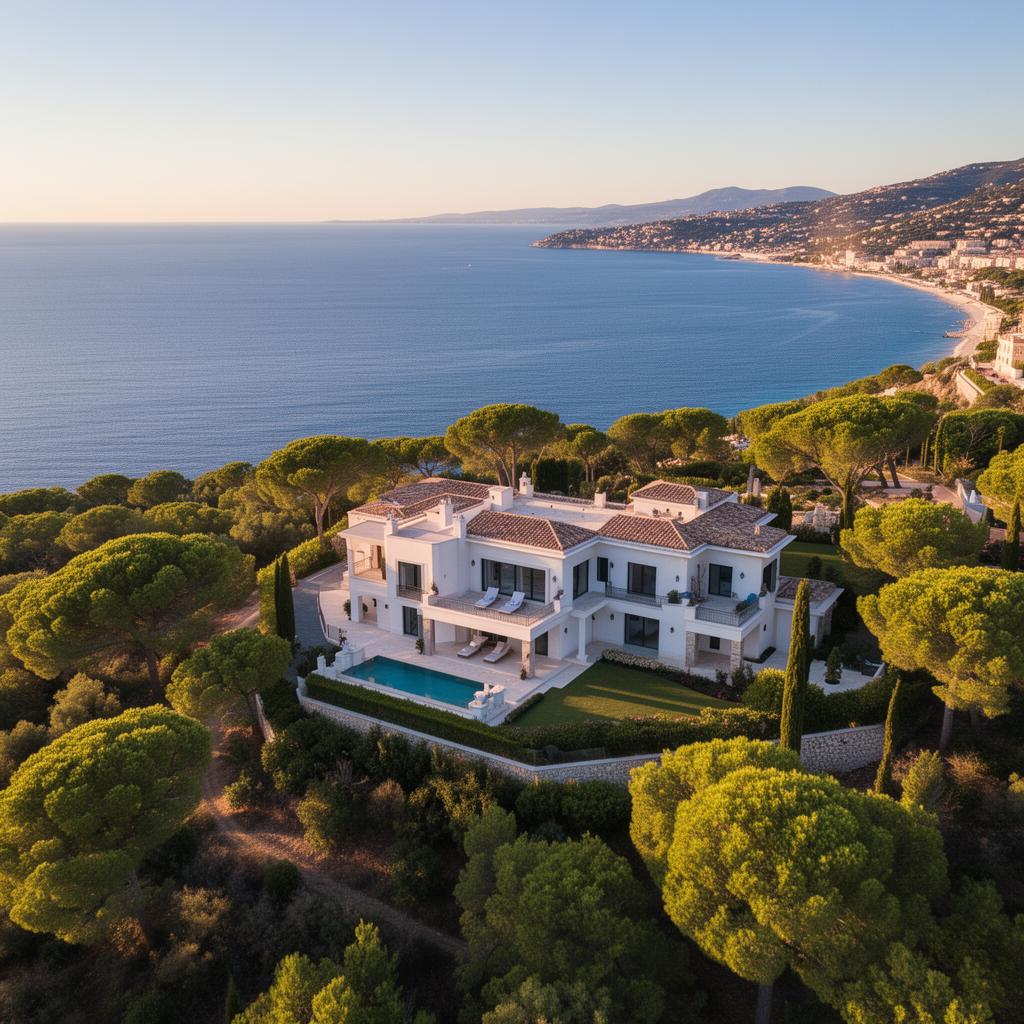
A villa builder generally offers a framed answer built around a construction system, a catalogue or a network of contractors. An architect designs a bespoke answer from the site, the brief, the planning constraints, the heritage value of the property and the way the owners will live in it. For a luxury villa on the French Riviera, working with an architect means controlling the siting, the views, the volumes, the materials, the permits and the overall coherence of the project.
Atelier Nérée works as an architecture studio: design, permits and project supervision, in coordination with the appointed contractors.
Two different project logics
A developer organises an operation for sale, with a specific programme and contractual commitments. Some operations are designed bespoke by architects. An architect designs a specific response to a site, a use, a light, a view, a sense of privacy and a heritage ambition. The two approaches address different needs.
Architectural bespoke design
The architect's work starts from the way of life: orientation, framing of views, indoor/outdoor relationship, privacy, family uses, reception spaces. Every arbitration is calibrated to serve the value of use and the consistency of the whole.
The relationship to land and landscape
Slope, terraces, Mediterranean vegetation, views, neighbours, access, light: an architect's project is built with the site. Landscape integration and compliance with the local plan are addressed from the sketch stage rather than endured.
Materials, details and overall consistency
The choice of materials, their durability and their behaviour by the sea determine the longevity of the project. Execution details — thresholds, joints, junctions, ironmongery — translate consistency between facades, interiors, exteriors and landscape. The difference is often read there.
Project supervision and execution quality
Within the stages expressly agreed by contract, the architect can support contractor consultations, technical arbitrations and architectural supervision. The goal: to maintain the consistency between the initial intent and the final result, without dilution of design choices.
When to choose an architect?
A bespoke project, a strong site integration, a sought-after level of detail, a heritage transformation or a confidential approach all argue for the architect. When the programme is singular, bespoke design takes on its full meaning.
Summary
Architect vs developer for a luxury villa on the French Riviera: Developer: offer and commitments specific to each operation, sometimes bespoke. Architect: bespoke response to site, use and landscape. Differentiation: materials, execution details, integration, overall consistency. Compare design, adaptability and contractual responsibilities, without a resale guarantee.
Frequently asked questions
What is the difference between an architect-designed villa and a developer's villa?
An architect-designed villa is conceived specifically for a site, a programme and a way of life. A developer organises a property operation, which may include site-specific design by an architect. Compare services, possible adaptations and contractual commitments.
Why hire an architect for a luxury villa?
To benefit from a bespoke project, a fine integration to the site, consistency between interior and exterior, architectural supervision of the works and a long-term heritage vision.
Does an architect-designed villa have a better heritage value?
Use and execution quality can be pursued, but resale price also depends on the market and property. No increase in value is guaranteed.
Can the architect support a complete renovation?
Yes. The architect works on both new design and renovation, from the initial survey to site supervision, including contractor coordination.
When to choose a bespoke villa rather than a standardised property product?
When the site is singular, when the expected way of life goes beyond standards, or when the project carries a particular heritage and confidential dimension.